Exactly How to Identify Asbestos in Your Home: A Visual Guide
To identify possible asbestos in your house, seek thick, fibrous, or crumbly materials— typically in insulation, floor tiles (often 9x9 inches), distinctive ceiling finishings, or concrete sheets— specifically if installed between the 1920s and late 1980s. Expect marbled flooring ceramic tiles, breakable structures, or inflexible, shingle-like panels. Shade can vary from white or gray to brown, blue, or eco-friendly. Visual assessment can raise suspicion, however you'll discover clear steps for safe handling and confirmation next.
Takeaways

- Search for fibrous, milky, or crunchy structures and marbled flooring ceramic tiles, particularly in homes built in between the 1920s and 1980s.
- Usual asbestos products include pipeline insulation, 9x9-inch flooring tiles, snacks ceilings, cement sheets, and textured house siding or roof covering.
- Subtle inconsistencies in color, structure, or thick, brittle surfaces can show prospective asbestos-containing products.
- Visual recognition alone is unstable; only laboratory screening by certified specialists can verify asbestos visibility.
- Stay clear of disturbing suspicious materials and get in touch with licensed asbestos specialists for evaluation, tasting, and risk assessment.
What Does Asbestos Appear like in a Home?
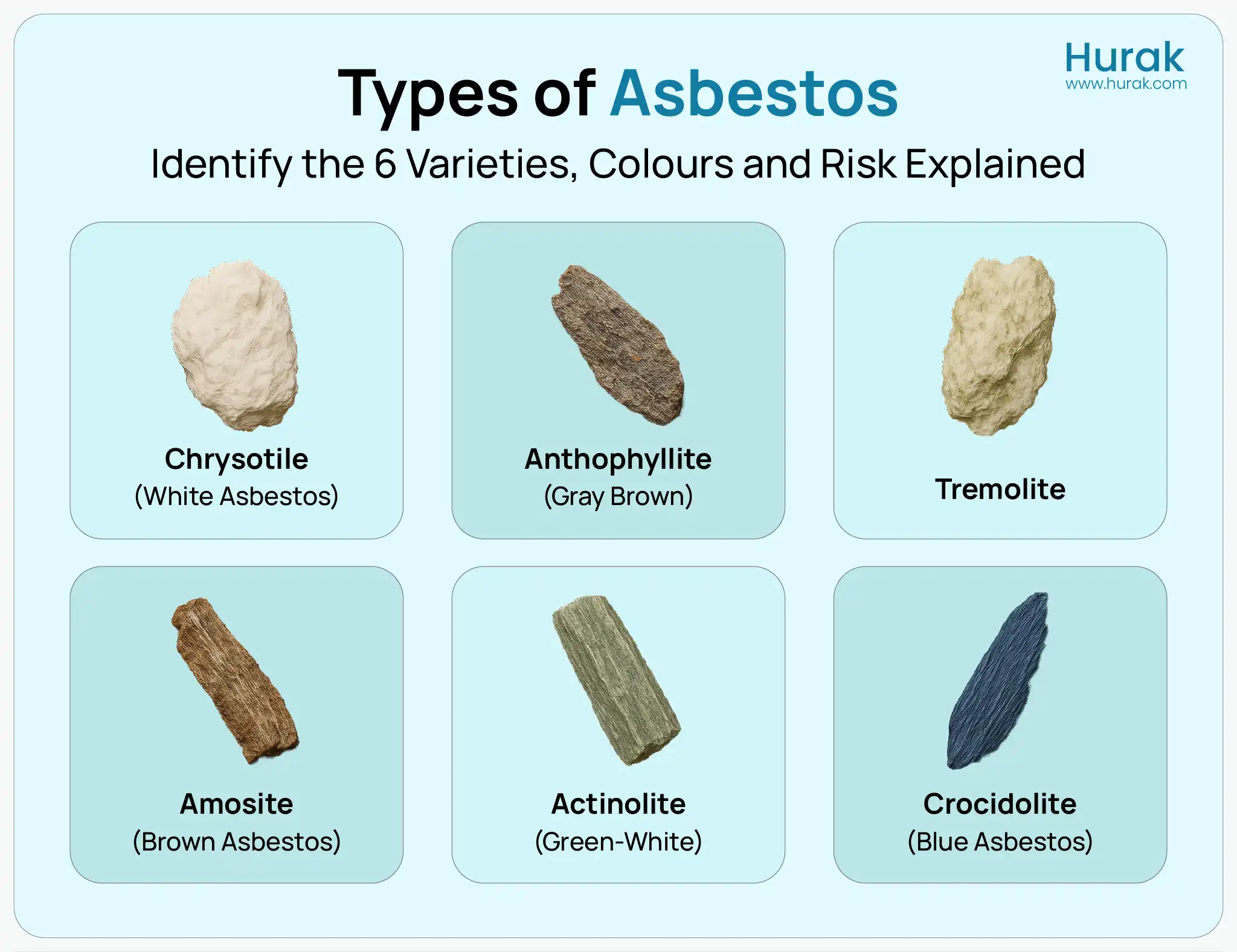
Often, asbestos in a home isn't immediately identifiable due to the fact that it's normally blended with other products. You'll notice that asbestos-containing products commonly show subtle texture distinctions compared to non-asbestos materials. For example, asbestos insulation may appear a lot more fibrous, with a rough or fluffy surface area, while asbestos concrete products could look denser and grainier. Shade variants can likewise provide hints— these materials aren't constantly the same color. Asbestos can present as white, grey, brown, blue, or perhaps green, relying on the details kind and age. Don't depend exclusively on visual indicators, though; several asbestos products are designed to imitate various other building items. Paying very close attention to slight disparities in color and texture is vital when trying to differentiate asbestos within your home's construction materials.
Where Is Asbestos Most Commonly Found Indoors?
Pipelines covered in insulating material are an archetype of where asbestos conceals inside your home. commercial strip out https://finsburyparkasbestosremoval.co.uk/services/refurbishment-demolition-survey.html You'll often find asbestos-containing insulation on hot water pipelines and boiler systems, specifically in homes developed before the 1980s. Attic insulation is one more common place, particularly if your residence makes use of vermiculite insulation, which might consist of asbestos. Asbestos was regularly contributed to building products as a result of its fireproof and shielding homes.
Snacks ceilings— those distinctive, spray-on ceiling coatings— usually consist of asbestos if mounted prior to 1980. Floor floor tiles, specifically 9x9-inch selections, and adhesives underneath them can likewise be suspicious. Concrete sheets and wallboard around heating systems or electrical panels might harbor asbestos fibers too. It's vital to know these regular places to analyze prospective asbestos dangers within your home's structure.
Visual Instances of Asbestos in Homes
Recognizing asbestos-containing materials visually calls for a mindful exam of specific structure features and coatings. You'll commonly run into asbestos in textured siding, which commonly shows up as inflexible, shingle-like panels with a subtle, pebbled surface area. These panels were regularly utilized on mid-century homes and are usually uniform in shapes and size. One more usual visual indication is vintage insulation-– often discovered wrapping old pipes or ducts. This insulation generally resembles a white or grey fibrous blanket or a corrugated cardboard-like sleeve. Floor tiles having asbestos generally gauge 9x9 inches and have a low-key, marbled look. Ceiling tiles might show a lightly polychromatic or stippled surface area. Always observe these details from a distance; disturbing suspicious products can launch unsafe fibers right into your home's air.
Typical Indications of Asbestos in Building Products
While asbestos can not be recognized by sight alone, certain physical attributes can aid you tighten down potential threats in structure products. You'll intend to take note of age indicators, such as original building dates between the 1920s and the late 1980s, as these periods saw extensive asbestos usage. Material structures also offer useful clues: asbestos-containing items commonly show up as cement sheets, textured ceiling coatings, or pipe insulation with a fibrous, milky, or crumbly surface area. Floor ceramic tiles might display a thick, fragile composition with a smooth or marbled coating. Roofing roof shingles and exterior siding might look stiff and have a grayish, fibrous appearance. When you run into these age indications and product textures, you're observing warning indications that recommend the possible presence of asbestos in your home's construction materials.
How to Look For Asbestos Safely
When looking for asbestos, you'll require to put on certified breathing security, non reusable coveralls, handwear covers, and shoe covers to avoid fiber direct exposure. It's essential that you don't reduce, sand, or disrupt any kind of suspect products, as this can release unsafe airborne fragments. Constantly utilize aesthetic assessment strategies and prevent straight get in touch with up until professional testing can be organized.
Individual Safety Equipment Fundamentals
Proper personal safety gear is necessary for minimizing the danger of asbestos direct exposure throughout a home inspection. You must prioritize respirator choice by picking a NIOSH-approved P100 or N100 respirator, which properly removes asbestos fibers. Validate a protected, impermeable fit to stop breathing of harmful bits. Along with respiratory security, safety eyewear is crucial for shielding your eyes from airborne fibers or dirt. Select security goggles with side shields that provide a complete obstacle. Wear disposable coveralls, handwear covers, and footwear covers to reduce contamination and simplify disposal after the inspection. Fasten all clothing to avoid fibers from reaching your skin. By outfitting on your own with the proper gear, you'll markedly minimize your risk of unintentional asbestos exposure throughout visual evaluations.
Preventing Disturbance Techniques
Because asbestos fibers position extreme wellness risks when disrupted, it's important to examine suspicious products without producing dirt or particles. You shouldn't cut, scratch, or sand any surface areas that may contain asbestos. Rather, concentrate on aesthetic evaluation from a risk-free range. Utilize these finest techniques to decrease direct exposure:
- Limit gain access to: Maintain unnecessary employees and family pets away from the location to stop unexpected disturbance.
- Control approaches: Use plastic sheet and tape to separate the inspection area and avoid fiber migration.
- No direct get in touch with: Never touch, damage, or relocate suspicious products. Observe for visible damage or wear and tear just.
- Air monitoring: If you believe airborne fibers, use professional-grade air tracking gadgets to examine contamination levels prior to and after examination.
This strategy warranties security during asbestos recognition.
What to Do If You Find Suspected Asbestos
If you encounter materials that might include asbestos, it's essential to prevent disruption by restricting access and staying clear of physical call. You should not attempt removal or tasting yourself, as this can launch dangerous fibers into the air. Rather, contact accredited asbestos specialists that are outfitted to evaluate, sample, and take care of the product safely.
Immediate Security Measures
Once you've encountered a product in your home that you believe consists of asbestos, it's vital to reduce disturbance promptly. Asbestos fibers are harmful when airborne, so your concern ought to be to avoid their release and spread. Effective air movement control and momentary isolation are vital actions at this phase. Avoid touching, boring, or moving the presumed product. Instead, adhere to these instant preventative measures:
- Limit gain access to: Prevent entry to the affected location by closing doors and publishing caution indicators.
- Control air flow: Switch off followers, cooling and heating systems, and close home windows to limit air motion that might spread fibers.
- Momentary isolation: Usage plastic sheeting and tape to seal off the area until professional analysis. https://finsburyparkasbestosremoval.co.uk/services/garage-shed-roof-removal.html
- Stay clear of cleansing: Don't try to vacuum, sweep, or tidy the suspected product.
These steps reduce risk until more activity is taken.
Speaking To Licensed Specialists
Although it may be appealing to take care of the situation on your own, calling qualified asbestos specialists is essential for a risk-free and compliant action. You shouldn't disrupt believed asbestos products, as incorrect handling can release dangerous fibers. Licensed assessors have the know-how and tools to accurately examine the visibility and condition of asbestos-containing products. learn more These professionals adhere to strict methods, including sample collection and research laboratory evaluation, to figure out the risk degree. If asbestos is verified, elimination service providers— especially educated and licensed-– need to perform the abatement process. They make use of specialized containment, air filtering, and disposal methods to make particular that no fibers are released right into your living atmosphere. Always validate credentials and compliance with neighborhood policies prior to employing accredited examiners or removal specialists to protect your health and wellness and home.
When Should You Call a Professional for Evaluating?
Because asbestos fibers are tiny and commonly hidden within structure materials, aesthetic evaluation alone can not dependably identify their presence. If you're worried about feasible direct exposure, it's crucial to understand when to seek expert testing. Qualified experts possess the customized devices and proficiency needed for accurate identification and danger assessment. You need to take into consideration calling a specialist if you experience any one of the following scenarios:
- Renovation or Demolition Strategies: Prior to troubling products in structures built before the 1980s.
- Damaged Products: When you observe collapsing insulation, ceiling tiles, or pipeline covers.
- Uncertain Product Origin: If you can't validate the make-up or installation day of suspect products.
- Wellness Worries: When respiratory system signs and symptoms show up and direct exposure timelines straighten with time invested near possible asbestos.
Expert screening guarantees dependable outcomes and safeguards your wellness.
Regularly Asked Inquiries
Is It Safe to Stay In a Home With Uninterrupted Asbestos?
Yes, it's typically considered safe to stay in a home with undisturbed asbestos, as the health risks arise when asbestos fibers end up being airborne. If the product continues to be undamaged and isn't harmed, your air quality shouldn't be endangered. Nonetheless, if you interrupt, cut, or damage asbestos-containing products, microscopic fibers can be launched, posing significant respiratory system threats. Routine surveillance and professional examinations are recommended to guarantee continued safety and security and keep peak air quality.
Can Pets Be Affected by Asbestos Direct Exposure?
Just like people, your animals can be impacted by asbestos direct exposure if they inhale or ingest the fibers. Pet dog direct exposure typically happens when disrupted asbestos releases microscopic fibers into the air, which after that choose hair or bedding. Animal signs can consist of consistent coughing, problem breathing, and sleepiness. You need to likewise enjoy for unusual weight reduction or wheezing, as these might suggest asbestos-related conditions such as asbestosis or mesothelioma in pet dogs.
Just How Long Does Asbestos Remain Hazardous in a Home?
Asbestos continues to be unsafe in your home forever because of its long-term persistence and unrealized threats. The mineral fibers don't deteriorate in time, so unless they're expertly eliminated or completely encapsulated, they continue to pose wellness dangers. Even decades after installation, disturbed asbestos-containing materials can release microscopic fibers into the air, bring about breathing illness. You can not depend on age or disuse to minimize the threat; just correct remediation removes the threat.
Will Home Insurance Coverage Cover Asbestos Removal Expenses?
Many home insurance policy plans will not cover asbestos removal prices due to common insurance policy exclusions connected to contaminants or unsafe materials. You'll likely find that remediation price quotes for asbestos reduction are taken into consideration upkeep or pre-existing problems, which aren't normally covered. It is very important to assess your policy's certain language and talk with your supplier. Some plans might use limited insurance coverage if asbestos is released as a result of a covered hazard, however that's fairly uncommon.
Exist Laws on Selling Residences With Asbestos?
Similar to Pandora's box, marketing a home with asbestos opens strict disclosure regulations. You're needed to educate customers if you recognize asbestos exists, as state and government regulations mandate openness. If you stop working to reveal, customer liability may change back to you for remediation or legal insurance claims. Although you aren't needed to eliminate asbestos prior to sale, full disclosure safeguards both celebrations and guarantees conformity with realty deal requirements.